
When Everyone Wins, No One Learns
Are we helping kids grow or just keeping things comfortable?

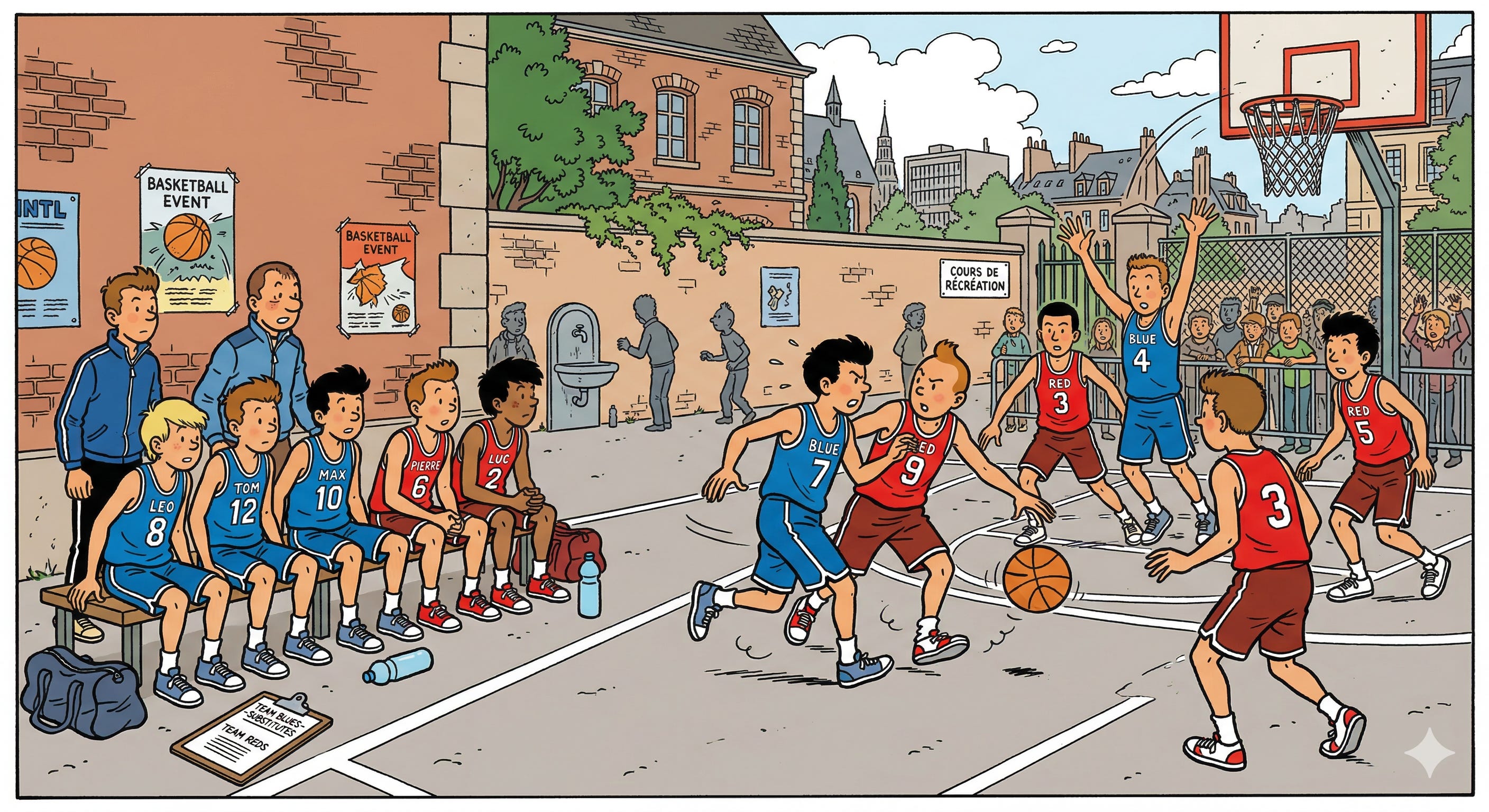
Sport used to be about competition. That was the whole point. Teams played to win, and yes someone won and someone lost. The winners were usually the ones who were more skilful, who trained harder, who understood the game better, and who put in the effort outside of match day. It was never just about showing up it was about perseverance, discipline, and pushing yourself to improve.
Becoming better meant doing the hard work: training, practising, refining your skills, and sticking with it even when it wasn’t easy.
But that doesn’t seem to be the focus anymore.
These days, it feels like competition has been replaced with an obsession for fairness, where everything has to be equal, regardless of skill, effort, age, or ability.
You see it in things like:
Equal playing time for all players, no matter their performance
Moving kids into easier divisions if they lose too often
Adjusting outcomes to avoid disappointment
On the surface, it sounds positive. Who wouldn’t want things to be fair?
But I can’t help but question whether we’re actually helping kids or doing the opposite.
If we’re honest, this shift doesn’t seem to be for the kids as much as it is for the parents.
Parents today are more involved than ever, and with that comes more pressure, more complaints, and more expectations. It feels like organisations have responded by lowering the bar and smoothing out every rough edge, essentially waving the white flag and saying, “Let’s just keep everyone happy.”
But should sport be about keeping everyone happy?
Or should it be about growth?
When everything is equalised regardless of effort, what message are we sending?
We risk teaching kids that:
Effort doesn’t really matter
Improvement isn’t necessary
The system will adjust itself to accommodate them
That’s not how the real world works.
In reality, effort matters. Skill matters. Discipline matters. And outcomes aren’t always equal.
When kids who work incredibly hard are given the same rewards as those who don’t, it can be demotivating. It blurs the connection between effort and achievement.
I remember hearing a story from someone who played basketball years ago. Back then, you weren’t even allowed to play inside the main gym unless you were good enough. You had to earn it.
If you weren’t there yet, you played outside. You practised. You improved. You worked your way up.
And when you finally made it, it meant something.
That sense of progression of earning your place taught valuable lessons:
Hard work pays off
Improvement is possible
Achievement is something to be proud of
Watching kids today, especially when you see some just starting out alongside others who’ve put in years of effort, it’s hard not to feel like something’s off.
When everyone is rewarded the same regardless of commitment or ability, we risk removing the very thing that makes sport valuable: the opportunity to grow through challenge.
Maybe we’ve overcorrected.
Maybe in trying to protect kids from disappointment, we’re also protecting them from learning resilience, discipline, and the rewards of hard work.
This isn’t about being harsh or excluding kids. Every child should have the opportunity to participate, learn, and enjoy sport.
But participation and competition don’t have to cancel each other out.
There’s room for both:
Encouragement and standards
Inclusion and merit
Support and accountability
The question is whether we’re willing to find that balance again.
Because if we don’t, we may end up raising a generation that expects outcomes to be equal, instead of understanding that equal results come from equal effort.